


 Account


Description
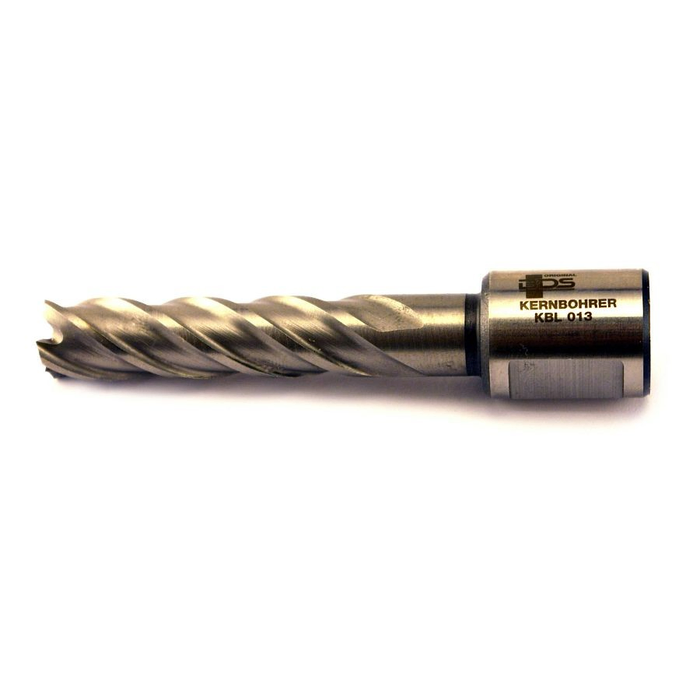
Rota Broach Mag Drill Cutter
A Rota broach cutter, commonly referred to as an annular cutter, is a specialized tool designed for efficiently creating precise, burr-free holes in metal surfaces. Manufactured by companies like Rotabroach, these cutters are integral to industries requiring high-performance drilling, such as construction, steel fabrication, automotive, aerospace, and rail maintenance.
Features
- Annular Cutting Design: Unlike traditional twist drills, Rota broach cutters remove only the periphery of the hole, leaving a solid core (slug), which reduces material waste and cutting time.
- High-Quality Materials: Many Rota broach cutters are made from M2AL steel or feature Tungsten Carbide Tipped (TCT) teeth, offering enhanced hardness and wear resistance for cutting through tough metals.
- Enhanced Geometry: Advanced tooth geometry, such as that found in Raptor M2AL cutters, allows for faster cutting speeds and improved chip removal, leading to longer tool life and reduced cutting forces.
- Versatile Shank Options: These cutters are compatible with various magnetic drilling machines and come with different shank configurations, including Weldon shanks, to fit a wide range of equipment.
Applications
Rota broach cutters are utilized across various sectors:
- Construction & Steel Fabrication: Ideal for drilling holes in structural steel for bolting and welding applications.
- Automotive & Aerospace: Used for precise hole-making in engine components, frames, and other critical parts.
- Rail Maintenance: Specialized rail cutters are designed for creating accurate holes in rail tracks, ensuring safety and efficiency in rail operations.
- Oil, Gas & Shipbuilding: Capable of cutting through tough materials like Inconel and Hardox, essential for industries requiring high-strength materials.
Advantages
- Precision: Achieves high accuracy with hole tolerances of approximately +0.004″, -0.000″ in steel.
- Efficiency: Faster cutting speeds compared to traditional drilling methods, reducing overall project time.
- Cost-Effectiveness: Longer tool life and reduced material waste contribute to lower operational costs.